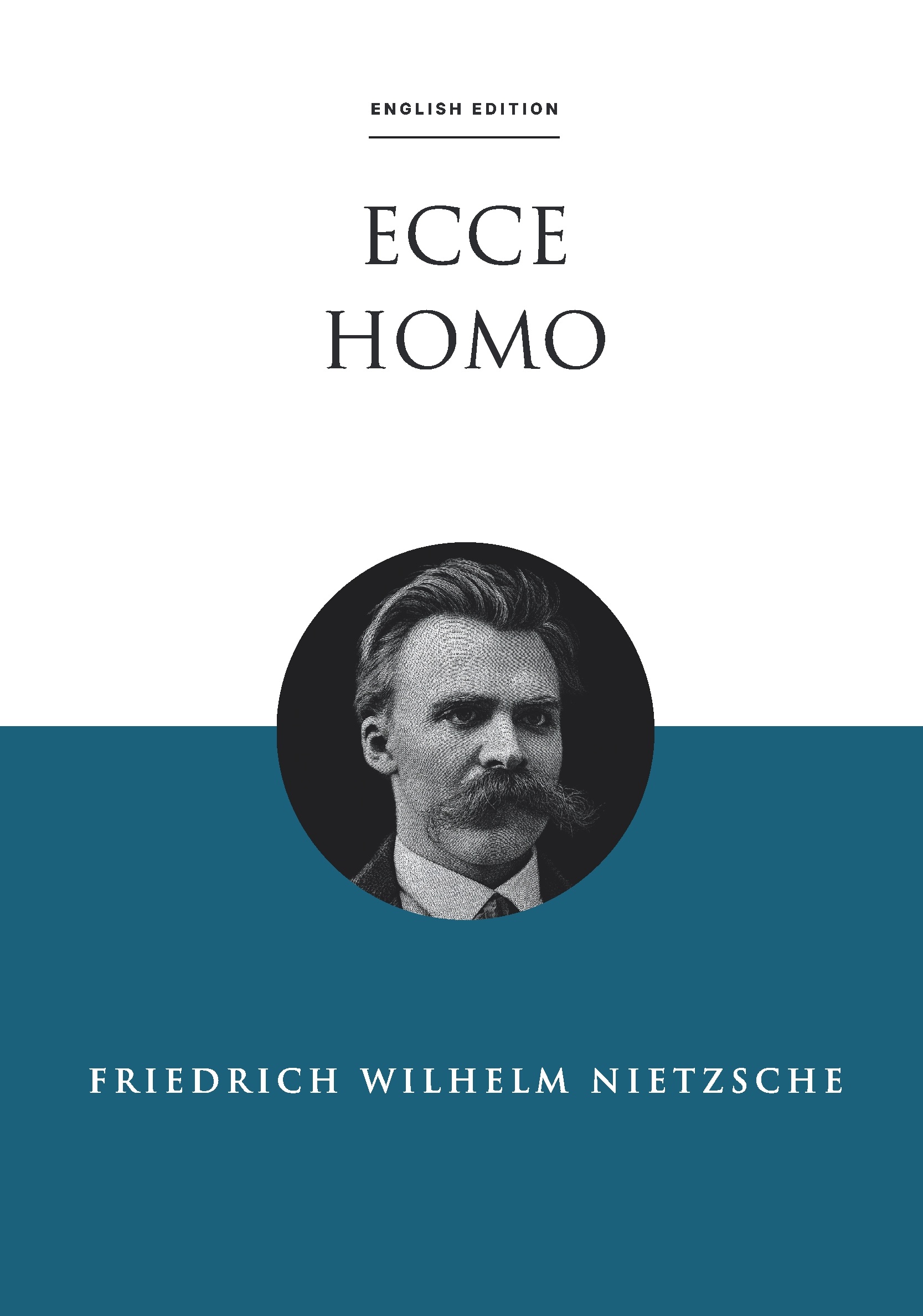
What does it mean to become who you truly are? In Ecce Homo, Friedrich Nietzsche turns his philosophical gaze upon himself, offering a provocative and deeply personal account of his life, ideas, and intellectual legacy. Written in 1888, this extraordinary work stands as one of his final major writings and presents Nietzsche not simply as a philosopher, but as a figure determined to redefine the very meaning of philosophy. With chapters bearing audacious titles such as “Why I Am So Wise” and “Why I Write Such Good Books,” Nietzsche revisits his most important works and reflects on the ideas that shaped his thought—from the Dionysian spirit and the critique of conventional morality to his uncompromising challenge to Christianity. His voice is at once grandiose, playful, confrontational, and intensely self-aware. Part philosophical autobiography, part intellectual manifesto, Ecce Homo is a remarkable portrait of a thinker examining his own place in history. Beneath its provocative claims and characteristic irony lies a profound meditation on individuality, creativity, suffering, and the task of overcoming oneself. It is Nietzsche at his most daring—and perhaps his most revealing.
| Penulis | : | Friedrich Wilhelm Nietzsche |
|---|---|---|
| Penerbit | : | basabasi |
| Tahun terbit | : | 2026 |
| ISBN | : | - |
| Halaman | : | 150 |