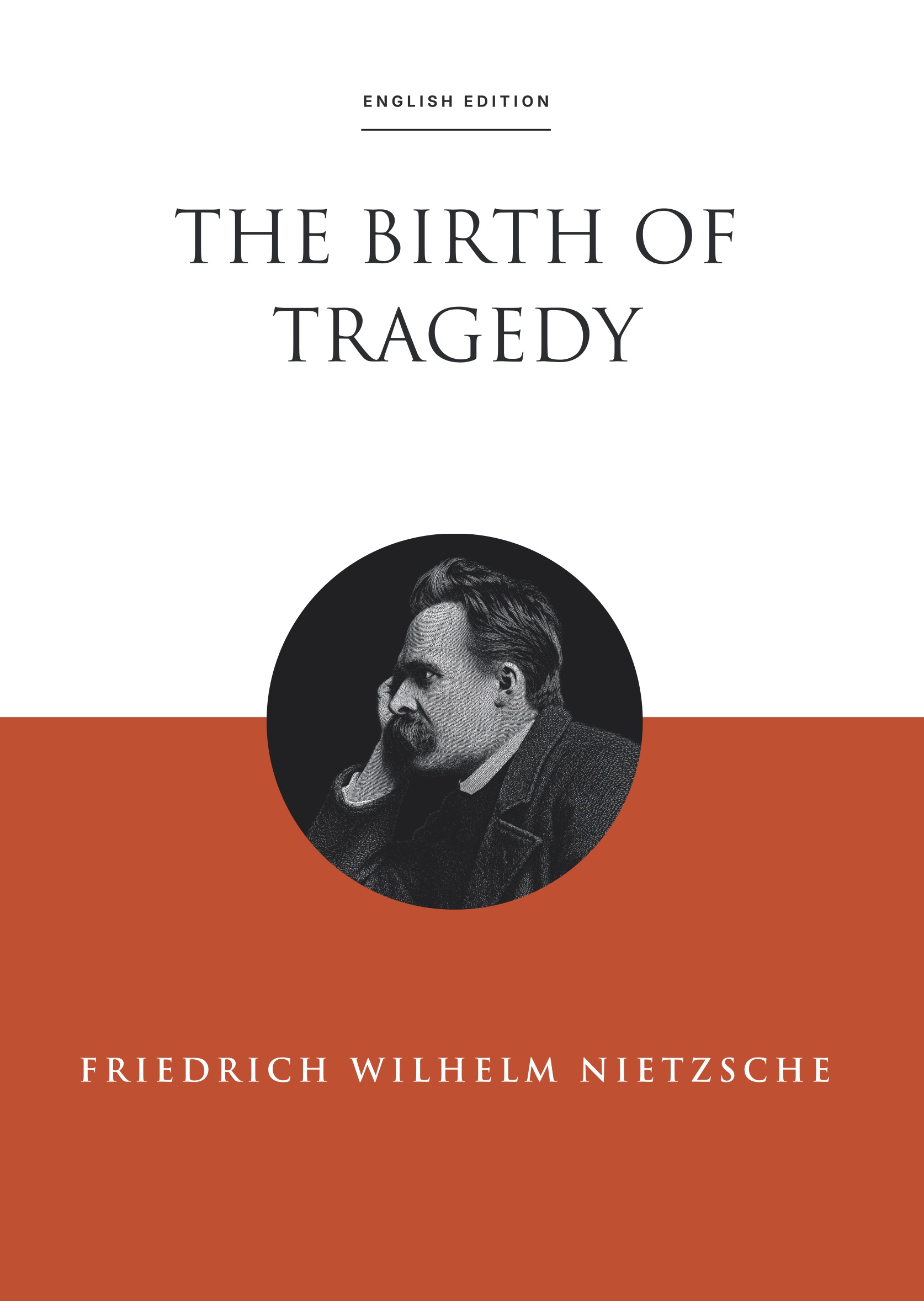
The Birth of Tragedy is one of Friedrich Nietzsche’s earliest and most provocative works, offering a radical interpretation of ancient Greek art, tragedy, and the human condition. First published in 1872, the book challenges the conventional image of classical Greece as a civilization defined solely by reason, harmony, and beauty. Instead, Nietzsche reveals a deeper tension at the heart of Greek culture—between the forces of order and form and those of instinct, ecstasy, and chaos. At the center of Nietzsche’s argument are the Apollonian and Dionysian impulses. The Apollonian represents clarity, measure, individuality, and artistic form, while the Dionysian embodies intoxication, instinct, dissolution, and the overwhelming unity of life. According to Nietzsche, Greek tragedy reached its highest artistic power precisely because it brought these seemingly opposing forces together. Through tragedy, audiences could confront suffering, contradiction, and the darker dimensions of existence without turning away from life itself. Nietzsche then traces the decline of tragedy as rationalism and intellectualism gradually displaced its Dionysian spirit. His critique extends beyond ancient Greece, raising enduring questions about art, reason, suffering, and the meaning of existence. With its bold ideas and uncompromising vision, The Birth of Tragedy remains a foundational text for understanding Nietzsche’s philosophy and his lifelong exploration of the relationship between art and life.
| Penulis | : | Friedrich Wilhelm Nietzsche |
|---|---|---|
| Penerbit | : | basabasi |
| Tahun terbit | : | 2026 |
| ISBN | : | - |
| Halaman | : | 206 |