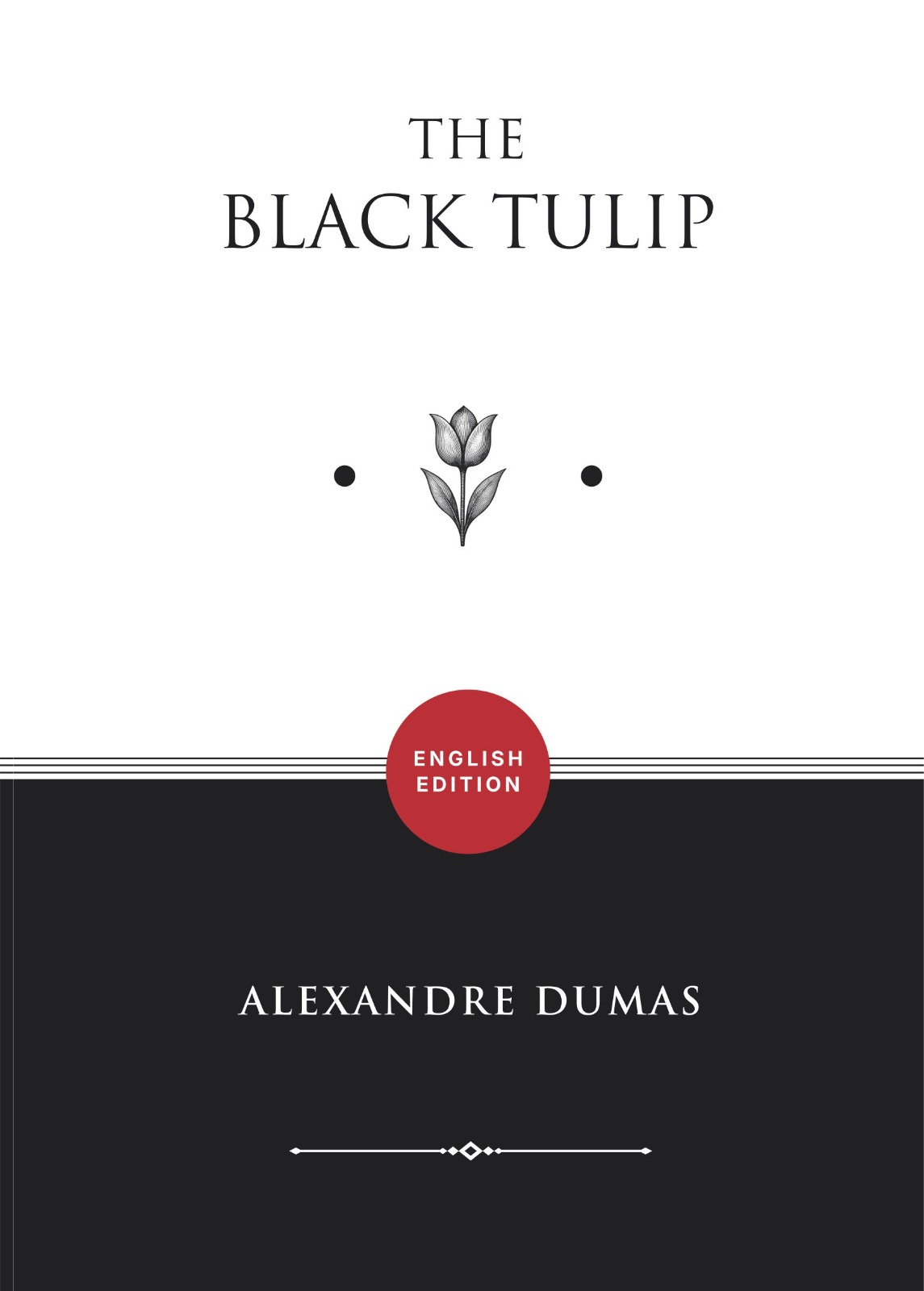
Against the turbulent backdrop of the struggle between the republican De Witt brothers and the supporters of William of Orange, the novel opens in an atmosphere of fear and unrest. Cornelius de Witt stands accused of plotting against the future Stadtholder, while his brother John desperately tries to protect him from the fury of an enraged populace. Amid this climate of political intrigue and violence, Dumas introduces a very different kind of struggle: the quest to grow a perfectly black tulip. For Cornelius van Baerle, a gifted and wealthy young tulip enthusiast, the flower becomes an obsession and a symbol of beauty, ambition, and triumph. Yet his pursuit of the elusive bloom soon becomes entangled with jealousy, imprisonment, love, and political conspiracy. As danger closes in around him, the black tulip comes to represent not merely a horticultural marvel, but the fragile possibility of beauty and hope in a world consumed by hatred. First published in 1850, The Black Tulip demonstrates Alexandre Dumas’s talent for combining historical events with adventure, romance, suspense, and unforgettable characters. Alexandre Dumas (1802–1870) was one of France’s most celebrated nineteenth-century novelists, best known for such enduring works as The Three Musketeers, The Count of Monte Cristo, and The Man in the Iron Mask.
| Penulis | : | Alexandre Dumas |
|---|---|---|
| Penerbit | : | basabasi |
| Tahun terbit | : | 2026 |
| ISBN | : | - |
| Halaman | : | 308 |