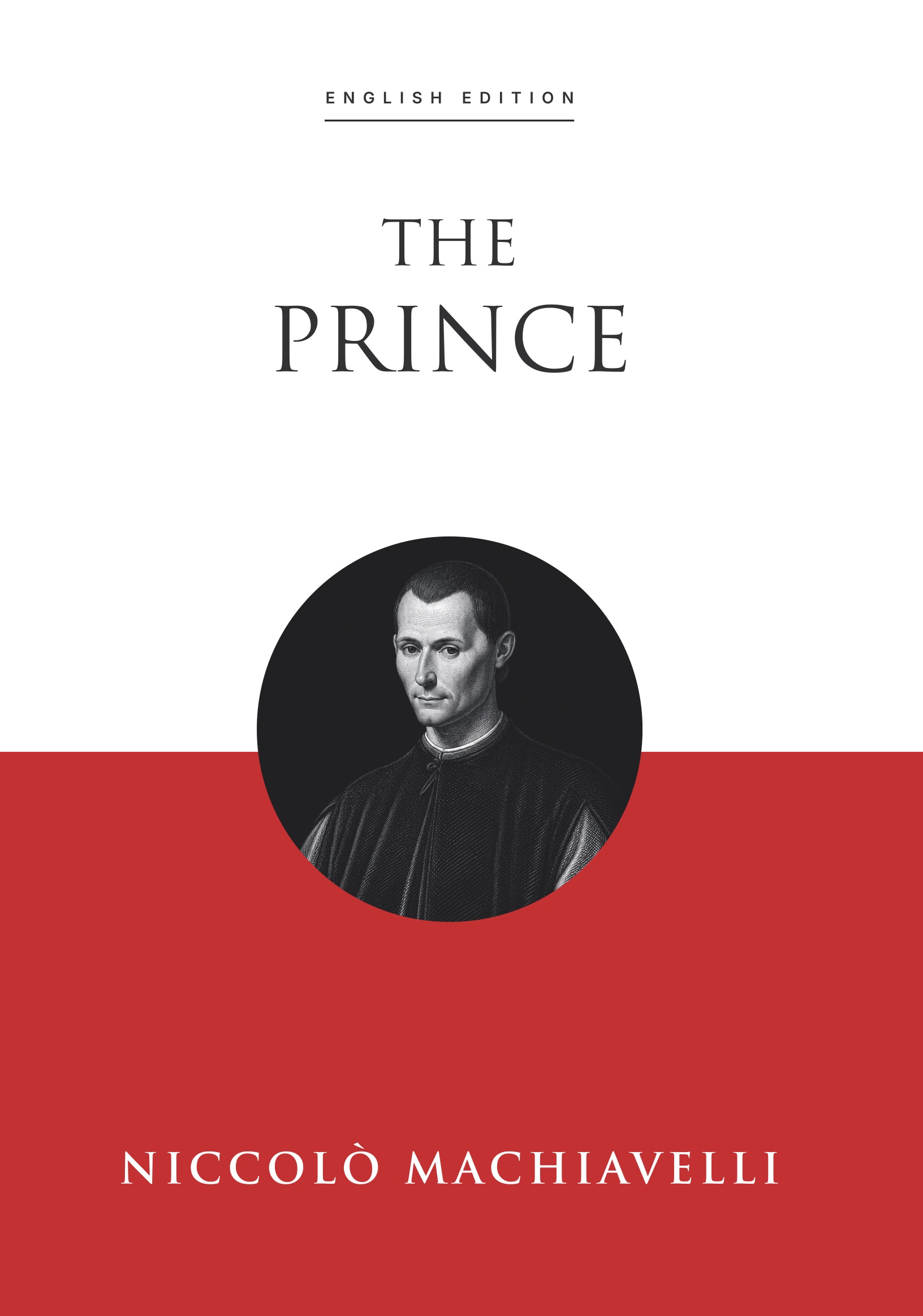
Machiavelli was widely respected as a statesman, yet the Catholic Church condemned him for his criticism of Christianity and the political advice he presented, particularly in The Prince (Il Principe). By the seventeenth century, the name "Machiavelli" had become synonymous with cunning, deception, and ruthless political manipulation. Machiavelli wrote The Prince in 1513, shortly after he was forced to leave Florence following his political exile. Dedicated to Lorenzo de' Medici, the book was intended as practical advice for the ruler of Florence on how to acquire, secure, and maintain political power. The Prince was not published until five years after Machiavelli's death. Throughout history, influential leaders such as Oliver Cromwell, Frederick the Great, Louis XIV, Napoleon I, Otto von Bismarck, and John F. Kennedy have read, reflected upon, and debated Machiavelli's ideas. Machiavelli's treatise marked a decisive break from the traditions of earlier Western political philosophy. Rather than describing the ideal qualities of a ruler, The Prince offers a remarkably direct and pragmatic guide for those seeking to seize control of a new state or strengthen and preserve authority over an existing one. Its realistic approach to politics and leadership has made it one of the most influential—and controversial—works of political thought ever written.
| Penulis | : | Niccolò Machiavelli |
|---|---|---|
| Penerbit | : | basabasi |
| Tahun terbit | : | 2026 |
| ISBN | : | - |
| Halaman | : | 180 |